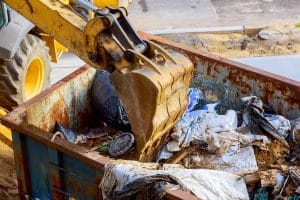
When you hire a skip, it might seem like you can throw anything in it. But that’s not true. There are strict rules about prohibited items, and breaking them can cost you money or get you in trouble.
At Clearaway Recycling, we help you dispose of waste safely. Here’s what you should never put in a skip and what to do instead.
Why These Rules Matter
Skip hire companies have these rules for good reasons:
Safety: Some waste types are dangerous to move
Environment: Wrong disposal harms nature
Law: UK rules require proper disposal of hazardous waste
Equipment: Heavy items damage skips
From April 2025, new rules mean putting prohibited items in skips could mean extra charges or refused collection.
1. Electrical Items (WEEE)
What Counts as Waste Electrical and Electronic Equipment?
Electrical items include anything with a plug or battery:
Big appliances: Fridge freezers, washing machines, ovens
Small items: Kettles, toasters, hair dryers
Electronics: TVs, computers, phones, tablets
Lights: All types of bulbs and lamps
Why They’re Banned
These items contain dangerous materials like lead and mercury. Fridge freezers have cooling fluids that damage the ozone layer and create a fire hazard.
What to Do Instead
Shops: When buying new, shops take old items for free
Local councils: Many collect large electrical items from homes
Local recycling centre: Accepts most electrical items
Charity: Items in good condition can be donated
2. Hazardous Waste
What’s Hazardous?
Hazardous waste includes things that can hurt people or the environment:
Asbestos: In old buildings
Chemicals: Paint, cleaning products, pesticides
Batteries: All types
Clinical waste: Medical items, needles
Gas cylinders: Propane tanks, camping gas
What to Do Instead
Different hazardous waste needs different solutions:
Asbestos: Use specialist companies only
Chemicals: Take to recycling centres
Batteries: Return to shops that sell them
Clinical waste: Contact your local council
Gas cylinders: Return where you bought them
3. Tyres
Tyres don’t break down in landfill and create a fire hazard. They also trap dangerous gases.
What to do: Tyre shops take old ones when you buy new. Garages and some local councils also accept them.
4. Mattresses and Furniture
Mattresses and soft furniture are often prohibited items because:
They take up lots of space
They contain fire chemicals
Skip hire companies need special licences
What to do: Local councils offer bulky waste collection. Charity shops take items in good condition. Some companies recycle mattress materials.
5. Liquids and Wet Garden Waste
All liquids are banned from skips:
Paint and chemicals: Can leak everywhere
Oils: Contaminate other waste
Food waste: Attracts pests
Wet garden waste: Too heavy and messy
What to do: Different waste types must be disposed of separately. Paint goes to recycling centres. Food waste goes in your local council collection. Garden waste should dry first or use your garden waste collection.
What You CAN Put in Skips
Waste Type
Examples
Notes
General waste
Household rubbish, packaging
Keep dry
Garden waste
Dry grass, branches
Not too heavy
Construction waste
Bricks, wood, tiles
Check weight limits
Furniture
Wooden items
Remove soft parts
How Our Skip Hire Company Helps
Clearaway Recycling has helped families and businesses for over 20 years. Our recycling centre handles over 200,000 tonnes yearly. We aim to recycle 100% of materials.
Our Waste Checker Tool shows what items we accept. Whether it’s household items or garden waste, we give instant answers.
Working with Local Councils
Local councils provide:
Collection of general waste and garden waste
Recycling centres for different waste types
Guidance on your recycling bin
Special collections for big items
Most recycling centres accept electrical items, hazardous waste, and garden waste that can’t go in skips.
Frequently Asked Questions
1. What happens if I put prohibited items in my skip?
Your skip collection might be refused or you’ll pay extra charges. Items must be removed before collection. You could face legal action for serious breaches.
2. Can I hide small prohibited items?
No. This is dangerous and illegal. All skip contents are sorted, so prohibited items will be found. Everything must be disposed of separately.
3. How do I know if something has asbestos?
Asbestos was used in buildings before 2000, especially in roofing, insulation, and floor tiles. Get specialist testing if unsure.
4. What about lots of electrical items?
Contact your local council for special collections. Give working items in good condition to charity. Use specialist waste electrical and electronic equipment services or spread disposal over several recycling centre trips.
Planning Your Skip Hire
When you hire a skip:
List what waste types you have
Check what’s allowed first
Keep prohibited items separate from general waste
Ask your skip hire company if unsure
Consider taking some items to recycling centres instead
For skip hire services in Essex, including what waste types are allowed, visit our Essex skip hire page.
Conclusion
Knowing what can’t go in skips protects the environment and keeps people safe. The five prohibited items we’ve covered – electrical items, hazardous waste, tyres, mattresses, and liquids – all have better disposal options.
Taking time to dispose of waste types properly saves money and helps the environment. When unsure, always ask your skip hire company.
At Clearaway Recycling, we help you dispose of waste safely. Use our Waste Checker Tool and contact us with questions.
For more information, the UK Government provides guidance on electrical waste at gov.uk.
Together, we can make sure waste disposal is done properly and safely.
Fitting Out an Office or Shop in Brentwood? Sort Your Waste First