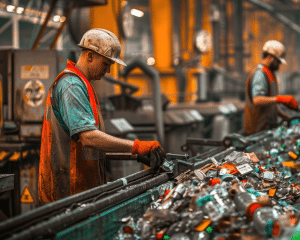
Understanding Carbon Footprints and Greenhouse Gases
A carbon footprint measures the total amount of harmful gases released into the air because of what we do. These gases, including carbon dioxide, methane (CH4), and nitrous oxide (N2O), trap heat in the air and cause climate change. People often measure all these different gases as “carbon dioxide equivalent” to make them easier to compare.
At Clearaway Recycling, we’ve been helping families and businesses reduce their carbon footprints since 2010. Our family-run business works hard to handle waste in ways that are best for the environment, cutting down harmful gases along the way.
How Recycling Helps Lower Carbon Emissions
Recycling is one of the easiest and most effective ways to reduce your carbon footprint. Here’s why:
1. Uses Less Fuel
Making products from recycled materials usually needs less energy than making them from new materials. Much of this energy comes from burning fossil fuels like oil and coal, so using less energy means less carbon pollution. For example, recycling aluminium saves up to 95% of the energy needed to make it from raw materials.
2. Reduces Landfill Gases
When waste goes to landfill, food scraps and paper break down without enough air, creating methane – a gas that’s about 25 times worse for climate change than carbon dioxide. By recycling paper, cardboard and other materials, we stop these harmful gases from forming.
3. Saves Natural Resources
Recycling means we don’t need to dig up as many raw materials from the earth. Mining for metals, cutting down trees, and drilling for oil to make plastics all release lots of greenhouse gases. When we recycle, we reduce the need for these activities.
4. Supports Cleaner Energy
The energy savings from recycling can help us use less fossil fuels and move towards cleaner energy sources like wind and solar power. Studies backed by the United Nations show that better waste management is a key step in fighting climate change worldwide.
Carbon Savings By Material Type: What’s The Impact?
Different materials save different amounts of carbon when recycled:
Material
Carbon Savings When Recycled
Interesting Fact
Aluminium
9 tonnes of CO₂ per tonne recycled
Saves 95% of the energy needed compared to new aluminium
Steel
80% reduction in CO₂ emissions
Saves 1.5 tonnes of iron ore per tonne recycled
Glass
670 kg of CO₂ saved per tonne
Can be recycled forever without losing quality
Paper
1 tonne of carbon dioxide equivalent per tonne recycled
Saves enough energy to power a home for 6 months
Plastics
Varies by type
Recycling 10 plastic bottles saves enough energy to power a laptop for 25 hours
At our advanced recycling centre, we can handle over 200,000 tonnes of waste each year. By aiming to re-use, recycle, or recover 100% of materials we receive, we’re making a big difference in reducing greenhouse gases in our community.
Metal Recycling: Best For Reducing Carbon Emissions
Metal recycling is one of the best ways to reduce your carbon footprint. Recycling metal not only saves raw materials but also uses much less energy.
Aluminium recycling is especially impressive. When you recycle aluminium, you save up to 95% of the energy needed to make new aluminium from raw ore. For every tonne of aluminium recycled, we avoid nine tonnes of carbon emissions and save four tonnes of raw materials.
Steel recycling is also very helpful, cutting CO₂ emissions by 80% compared to making new steel. Both metals can be recycled again and again without losing quality, making them perfect materials for a low-carbon economy.
Simple Tips for Better Recycling
To get the most carbon-saving benefits from recycling and reduce your carbon footprint, follow these simple tips:
Sort properly: Make sure you know what can and cannot be recycled. Check our waste checker tool on our website to find out what we accept.
Clean containers: Rinse food containers before recycling to stop contamination.
Flatten cardboard boxes: This saves space in recycling bins and makes collection more efficient.
Avoid mixing the wrong items: Don’t put items in the recycling bin if you’re not sure they can be recycled, as this can spoil other recyclables.
Use our skip hire service: For large amounts of waste, our skip hire service ensures your waste is properly sorted and recycled rather than sent to landfill where it would produce methane gas.
Remember, we do NOT accept these items in our skips:
Fridges & Freezers
Gas Bottles & Cylinders
Lithium-ion batteries
Hazardous & Toxic Waste
Asbestos
Paint, Paint Tins, & Solvents (Unless Empty)
These items need special disposal methods. For help on where to recycle these items, visit our waste checker tool on our website.
Community Impact on Reducing Harmful Gases
Local recycling projects can make a real difference in reducing carbon emissions. For example, Mansfield District Council’s glass collection programme collected over 2,300 tonnes of glass in a single year, saving more than 1,500 tonnes of CO₂ compared to sending the glass to landfill or burning it.
At Clearaway Recycling, we’re committed to helping our local community reduce its carbon footprint. By providing easy-to-use recycling services and teaching people about best practices, we’re helping to build a more sustainable future with lower greenhouse gas emissions.
Looking Towards a Cleaner Energy Future
As technology gets better and more people become aware, recycling will play an even bigger role in our fight against climate change. New recycling methods, better collection systems, and more people taking part will all help reduce carbon emissions around the world.
The United Nations recognises waste management as a key factor in meeting global climate goals. By choosing to recycle with Clearaway Recycling, you’re not just handling your waste responsibly – you’re taking a real step towards reducing your carbon footprint and supporting the move from fossil fuels to renewable energy systems.
Frequently Asked Questions
Q: How much difference does recycling really make to my carbon footprint?
A: Recycling makes a big difference to your carbon footprint. For example, recycling just one aluminium can saves enough energy to power a television for three hours, reducing carbon emissions from energy production. If every person in the UK recycled just one more plastic bottle per year, we would save enough energy to power thousands of homes.
Q: What happens if I put the wrong items in my recycling?
A: Putting the wrong items in your recycling (called contamination) can cause problems. Sometimes, it means the entire batch of recyclables must be sent to landfill, where they produce methane and other greenhouse gases. Always check our waste checker tool if you’re not sure about an item.
Q: Can I recycle items with food on them?
A: It’s best to rinse food containers before recycling them. Food leftovers can contaminate other recyclables and attract pests at recycling facilities. However, they don’t need to be completely clean – just free of most food waste to ensure they can be properly processed.
Q: How do different types of waste affect greenhouse gas emissions?
A: Different types of waste produce different amounts of greenhouse gases when sent to landfill. Food waste and paper produce methane as they rot without enough air. Plastic waste doesn’t rot quickly but wastes valuable fossil fuel resources. Metals and glass don’t produce much gas in landfill but represent missed chances to save energy through recycling.
At Clearaway Recycling, we’re proud to be part of your journey towards a smaller carbon footprint. Together, we can make a real difference to our environment by reducing greenhouse gases and supporting the shift to cleaner energy. Contact us today to find out more about our recycling, waste management, and skip hire services.
Why Is Proper Waste Management Essential for Businesses?